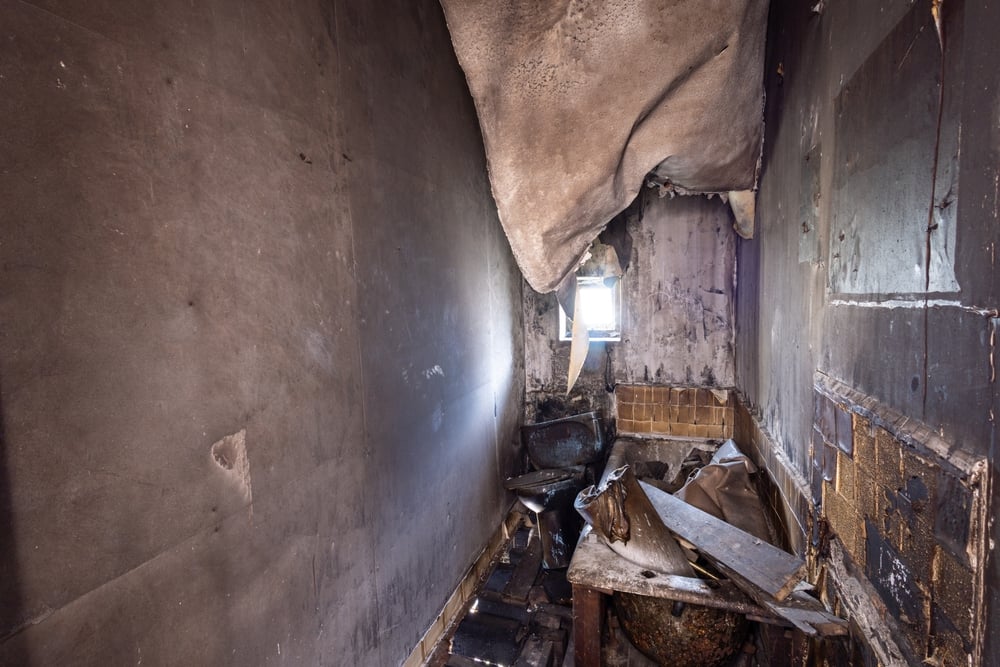
Understanding Fire Damage
Fire damage can have devastating effects on both residential and commercial properties. Understanding the types of fire damage, common causes, and the immediate effects can help property owners respond effectively. Fire damage can range from minor smoke stains to complete structural failure, necessitating a thorough understanding of the implications involved.
Fire damage assessment is crucial in determining the extent of repair and restoration needed to restore the property to its pre-fire condition. It is important to address fire damage promptly to prevent secondary damage caused by smoke residues and water used to extinguish the fire. Professional restoration services can help mitigate fire damage and ensure a safe and habitable environment. Property owners should familiarize themselves with fire safety measures and evacuation plans to minimize the risk of fire damage. Regular maintenance of fire detection and suppression systems can help prevent extensive fire damage and protect lives and property.
Types of Fire Damage
There are primarily three types of fire damage: physical damage, smoke damage, and water damage. Physical damage refers to the destruction caused by flames, which can compromise the structural integrity of the building. Smoke damage, although not as visually apparent, can infiltrate walls and furniture, leaving behind odors and residues that can be harmful to health. Water damage often accompanies fire damage due to firefighting efforts, leading to additional complications like mold growth and deterioration of materials.
Understanding the distinct types of fire damage can help property owners prepare for and deal with potential incidents more effectively. Physical damage from flames can pose significant risks to the safety and stability of a building’s structure. Smoke damage, despite being less overt, can permeate different surfaces and items, necessitating thorough cleaning and restoration. Water damage resulting from firefighting actions can exacerbate the destruction caused by the fire, requiring prompt mitigation to prevent further issues like mold development. Acknowledging these various forms of fire damage underscores the importance of comprehensive fire safety strategies and preparedness measures.
Common Causes of Fire Damage
Fires can originate from various sources, including electrical malfunctions, cooking accidents, heating equipment, and open flames from candles or fireplaces. It is crucial to identify the root cause of the fire to prevent future occurrences. Neglected electrical systems are particularly notorious for sparking fires, and human negligence in the kitchen often leads to accidental blazes. Understanding these causes can aid in implementing preventative measures.
Fire damage can also result from smoking materials, chemical reactions, and arson, highlighting the diverse nature of fire origins. Each cause necessitates a unique approach to fire safety and prevention. Regular maintenance of electrical systems and appliances can significantly reduce the risk of fire outbreaks. Educating household members on fire safety protocols is essential for prompt response in emergency situations. Taking proactive measures to minimize potential fire hazards is crucial for overall safety.
Immediate Effects on Property
The immediate aftermath of a fire can be chaotic. Property owners may face significant structural damage, loss of personal belongings, and health hazards from smoke inhalation or chemical exposure. The urgency of the situation necessitates quick action to mitigate further damage, as smoke and water can cause lingering problems if not addressed promptly.
The emotional toll of a fire can be overwhelming for property owners and residents. Insurance claims and assessments need to be promptly filed to expedite the recovery process. Hiring professional restoration services is crucial for proper cleanup and restoration of the property. Temporary housing arrangements may be necessary for displaced individuals while repairs are underway. Collaborating with local authorities and fire officials can provide valuable guidance on navigating post-fire procedures and safety measures.
Assessing the Damage
After ensuring safety, the next crucial step is assessing the damage. This involves a thorough examination of the property to gauge the extent of the destruction and the necessary steps for restoration.
Assessing the damage requires a comprehensive evaluation of the property’s condition and the restoration steps needed. Detailed documentation of the destruction is essential for insurance claims and restoration planning. Engaging with professional assessors can provide expert insights into the extent of the damage and required repairs. Prioritizing safety measures during the assessment process is paramount to prevent any accidents or injuries. Effective communication with all involved parties is key to coordinating the assessment efforts and planning the restoration process efficiently.
Conducting a Preliminary Assessment
Begin the assessment by walking through the property cautiously, taking note of visible damage such as charred walls, structural collapse, and damaged belongings. It’s imperative to avoid entering severely damaged areas until they have been deemed safe by professionals to prevent injury.
Documenting the Damage
Documentation is essential for insurance claims. Take photographs and videos of all damage, keeping detailed records of affected areas, personal belongings, and any fire-related incidents. This documentation will serve as critical evidence when negotiating with your insurance provider.
Contacting Your Insurance Company
Notify your insurance company as soon as possible to initiate the claims process. Provide them with the documentation and be prepared to answer questions about the incident. Understanding the terms of your policy can significantly impact your recovery process, so familiarize yourself with what is covered and any deductibles you may be responsible for.
Experiencing a fire can be overwhelming, but taking thorough documentation will help streamline the insurance claims process. Be diligent in capturing the extent of damage through photos and videos to support your claim. Contact your insurance company promptly and be ready to share the documentation to facilitate the claims procedure. Understanding your policy’s coverage and deductible requirements is crucial for a smoother recovery process. Stay proactive and organized to ensure a more efficient resolution with your insurance provider.
Choosing a Fire Damage Restoration Company
Selecting a qualified fire damage restoration company is vital for a successful recovery. Not all restoration services are the same, so thorough research is necessary.
Once you have contacted your insurance company and provided the necessary documentation, begin researching reputable fire damage restoration companies in your area. Evaluate their experience, certifications, and customer reviews to make an informed decision. It is essential to act promptly to prevent further damage and start the restoration process as soon as possible. Working with a trusted and efficient restoration company can help you navigate the challenges of recovery smoothly and effectively.
Researching Local Restoration Services
Start by compiling a list of local restoration companies that specialize in fire damage. Use online resources, directories, and community recommendations to identify potential candidates. Local services may have better knowledge of building codes and regulations specific to your area, enhancing their ability to restore your property effectively.
Verifying Credentials and Certifications
Once you have a shortlist, verify the credentials of each company. Look for certifications from recognized organizations such as the Institute of Inspection, Cleaning and Restoration Certification (IICRC) or the Restoration Industry Association (RIA). These certifications indicate that the company adheres to industry standards and practices, ensuring quality service.
Reading Customer Reviews and Testimonials
Customer reviews provide insight into the company’s reliability and quality of service. Look for testimonials and ratings on platforms like Google, Yelp, or the Better Business Bureau. Positive feedback from previous clients can give you confidence in your choice, while consistent complaints may be a red flag.
Evaluating Restoration Services
After selecting potential companies, it’s essential to evaluate their services thoroughly. Understanding the restoration process can help you make informed decisions.
Understanding Restoration Processes
Restoration companies typically follow a series of steps to restore a property, including initial assessment, debris removal, cleaning, and repairs. Familiarizing yourself with these processes can help you understand what to expect and prepare any necessary information or access for the technicians.
Requesting Detailed Estimates
Ask for detailed estimates from several companies to compare costs and services. The estimates should include a breakdown of labor, materials, and timeline. Ensure that there are no hidden fees, and clarify what is included in the restoration process. Transparent pricing will help you avoid unexpected expenses later.
Comparing Services and Costs
When comparing different estimates, consider both cost and the breadth of services offered. The cheapest option may not always be the best in terms of quality and thoroughness. Look for companies that offer comprehensive services, including smoke and odor removal, restoration of personal belongings, and structural repairs.
Working with Fire Damage Restoration Professionals
Effective collaboration with restoration professionals is key to a smooth recovery process. Establishing a good working relationship can enhance communication and ensure that your needs are met.
During the selection process, ask about the qualifications and experience of the restoration professionals. Seek references or testimonials from previous clients to gauge their satisfaction levels. It’s essential to choose a company that is licensed, insured, and certified in fire damage restoration. Clear communication regarding expectations and timelines will help avoid misunderstandings during the restoration project. Trust your instincts and select a restoration company that instills confidence and provides a detailed contract for the work to be done.
Establishing Clear Communication
From the outset, establish clear lines of communication. Discuss your expectations and any concerns you may have about the restoration process. Regular updates on progress and any challenges encountered during restoration will foster trust and transparency.
Setting a Timeline for Restoration
Set realistic timelines for the restoration process. While the extent of the damage will determine how long restoration will take, having an estimated timeline can help you plan accordingly. Consistently check in with the restoration team to ensure that the project is staying on track.
Monitoring the Restoration Process
Actively monitor the restoration process and maintain communication with the team. Understanding each phase of the restoration can help you address any issues or concerns promptly. Regular walkthroughs with the restoration professionals can ensure that everything meets your satisfaction.
Post-Restoration Considerations
Once restoration work is completed, several factors need to be considered to ensure your property is fully restored and safeguarded against future incidents.
Final Walkthrough and Inspection
Conduct a final walkthrough with the restoration team to inspect the work completed. Ensure that all areas have been restored to your satisfaction. Address any remaining concerns before considering the project complete. This final inspection is critical to confirming that all work aligns with your expectations and the agreed-upon terms.
Understanding Warranty and Follow-Up Services
Inquire about warranties on the restoration work performed. A reputable company should provide guarantees on their services, ensuring they will address any issues that arise after the work is done. Additionally, ask about follow-up services or maintenance that can help you maintain the restored areas.
Implementing Fire Prevention Strategies
After restoration, it is essential to implement fire prevention strategies to minimize the risk of future incidents. This may include installing smoke detectors, conducting regular inspections of electrical systems, and educating all residents on fire safety protocols. Being proactive can significantly mitigate the chances of a recurrence.
Conclusion
The aftermath of fire damage can be overwhelming, but with the right knowledge and resources, property owners can navigate the restoration process effectively. Understanding fire damage, assessing the situation, choosing reputable restoration services, and maintaining clear communication with professionals are all essential steps toward recovery.
Timely action is crucial in managing fire damage and its consequences. By carefully evaluating restoration options and implementing fire prevention measures, property owners can ensure that they not only recover from the disaster but also build a safer environment for the future.
Ensuring that insurance policies are up-to-date and cover fire damage is vital for financial protection against unforeseen events. Collaborating with insurance adjusters can streamline the claims process and expedite the restoration efforts. Implementing a detailed inventory of damaged items can facilitate insurance claims and aid in the replacement of essential belongings. Engaging with professionals for thorough property assessments can uncover hidden fire damage and prevent future safety hazards. Prioritizing safety measures and structural repairs can restore the property to its pre-fire condition and ensure a secure living or working environment for occupants. When you are ready to talk to a fire restoration company that cares about getting your home back to normal call Apex Restoration DKI!