Introduction
Water damage emergencies can strike without warning, leading to significant stress and potential loss of property. Understanding how to respond quickly and effectively can make a substantial difference in mitigating damage and reducing repair costs. In this article, we’ll explore the various types of water damage, the immediate actions to take, the importance of professional restoration services, and preventive measures that can safeguard your property in the future.
Water damage can have long-term repercussions on a property’s structural integrity and pose health risks from mold growth. It is crucial to address water damage promptly to prevent secondary issues such as mold infestations. Professional restoration services have the expertise and equipment to thoroughly dry and restore affected areas. Implementing proper maintenance routines can help minimize the risk of water damage occurrences in the future. Regular inspections and timely repairs of plumbing systems can also aid in preventing water-related emergencies.
Understanding Water Damage Emergencies
Water damage can result from a multitude of sources, including natural disasters, plumbing failures, and human errors. Each scenario presents unique challenges and the potential for extensive damage if not addressed promptly. The consequences of water damage can range from minor inconveniences to major structural issues, mold growth, and the loss of personal belongings.
When faced with a water damage emergency, recognizing the urgency of the situation is crucial. Every second counts, and immediate action can significantly curtail the extent of the damage. Being prepared and knowledgeable about the steps to take during such emergencies will empower homeowners and renters alike to protect their living spaces effectively.
Proactive measures such as regular inspections and timely repairs of plumbing systems can mitigate the risk of water-related emergencies. It is essential to understand that water damage can stem from various sources, necessitating prompt attention to prevent severe repercussions. The impact of water damage ranges from minor disruptions to significant structural harm, mold infestations, and property loss. In the event of a water damage emergency, swift acknowledgment of the gravity of the situation is paramount. Immediate intervention plays a vital role in limiting the extent of the damage, making preparedness and awareness crucial for safeguarding residential spaces.
The Importance of Immediate Action
Time is of the essence in a water damage situation. The longer water remains in contact with building materials, the more extensive the damage can become. Materials such as drywall, wood, and carpeting absorb water, creating a conducive environment for mold and mildew growth. Immediate action not only helps in minimizing damage but also contributes to faster recovery and restoration.
Moreover, taking swift action can aid in preventing secondary damages, which can be even more costly and time-consuming to repair. By understanding the critical first steps to take in the event of water damage, individuals can protect their property and financial investment more effectively.
Identifying the Source of Water Damage
Common Causes of Water Damage
Before taking action, it is crucial to identify the source of the water damage. Common causes include:
- Heavy rainfall or flooding
- Burst pipes or plumbing leaks
- Overflowing appliances, such as washing machines or dishwashers
- Roof leaks
- Leaking windows or doors
Understanding the source helps in determining the appropriate response. For example, if the water is from a clean source, the immediate actions may differ from that of contaminated water from a sewage backup. Proper identification reduces the risk of health hazards and further property damage.
Detecting the source of water damage is essential before proceeding with any restoration efforts. This initial step allows for a targeted and effective response strategy. Addressing the root cause promptly can prevent recurring issues and extensive damage down the line. Properly identifying the water source also ensures that appropriate safety measures are implemented during the cleanup process. By pinpointing the exact origin of the water intrusion, homeowners can make informed decisions and expedite the restoration process.
Assessing the Severity of the Damage
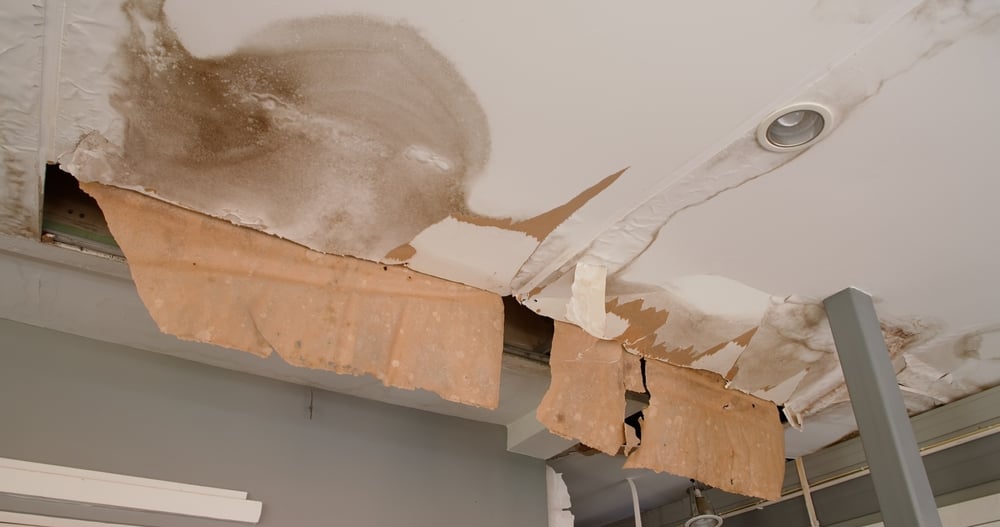
Once the source is identified, the next step is assessing the severity of the damage. Look for visible signs such as swelling, discoloration, or the presence of mold. It is essential to consider both the visible and hidden areas, including behind walls and under flooring, where water may have penetrated.
Assessing the extent of damage can help prioritize immediate actions and determine whether professional assistance is necessary. A thorough evaluation ensures that no damage goes unnoticed, which could lead to costly repairs down the line.
Immediate Actions to Take
1. Ensure Safety First
The first priority in any water damage emergency is safety. Before entering the affected area, check for hazards like electrical issues or structural damage. If the water is from a contaminated source, wear protective gear including gloves and masks to prevent exposure to harmful substances.
If the situation poses a risk to your health or safety, evacuate the premises and contact emergency services. Always err on the side of caution, as safety should never be compromised in the face of property damage.
2. Shut Off the Water Supply
If it’s safe to do so, locate the main water supply valve and shut it off to prevent further water ingress. This action is particularly crucial in cases of burst pipes or overflowing appliances. Shutting off the water supply allows you to control the situation and begin the cleanup process.
In many cases, water supply valves are found in the basement or near the water heater. Knowing where this valve is located before an emergency occurs can save valuable time and reduce potential damage.
3. Call Apex Restoration DKI
Once safety measures are in place, it’s time to contact a professional restoration service, such as Apex Restoration DKI. Professionals are equipped with specialized equipment and expertise to handle water damage efficiently and safely.
Professional services often offer 24/7 emergency response, ensuring that assistance is available at any time. They can assess the extent of the damage, remove standing water, and begin the drying process, all while adhering to health and safety regulations.
4. Document the Damage
Before beginning any cleanup efforts, document the damage by taking photographs and making notes. This documentation can be vital for insurance claims and future reference. Capture images of all affected areas, including structural damage, personal belongings, and any visible mold growth.
Having a detailed record of the damage will support your claim and ensure you receive the compensation needed for repairs and restoration. Be thorough and precise; it can make a significant difference in the claims process.
Initial Cleanup Steps
1. Remove Standing Water
Once you have assessed the damage and contacted professionals, begin the removal of standing water. Use pumps or wet/dry vacuums to eliminate as much water as possible. If the water level is significant, it’s advisable to wait for professionals to handle this task to avoid injury or further damage.
Removing standing water promptly helps to reduce the risk of mold and further structural damage. If you’re using a wet/dry vacuum, ensure you follow safety protocols to avoid electrical hazards.
2. Dry Out the Area
After standing water has been removed, the next step is to dry out the affected area. Open windows and doors to promote air circulation and use fans or dehumidifiers to expedite the drying process. The goal is to restore normal humidity levels to prevent mold growth.
Monitor the drying progress closely. Depending on the extent of water damage, it may take several days for the area to dry completely. Be persistent and thorough, as any remaining moisture can lead to future complications.
3. Protect Belongings
While cleaning up, ensure that your personal belongings are protected. Move furniture, electronics, and any other valuables to a dry area to prevent further damage. If items are soaked, consult professionals on whether they can be salvaged or if they should be disposed of.
Consider using plastic bins or bags to store items temporarily until the area is fully restored. Proper protection of belongings can minimize loss and damage during a water emergency.
Professional Water Damage Restoration
Why Choose Professionals?
While immediate actions can significantly mitigate damage, professional restoration services provide a level of expertise that is essential for comprehensive recovery. Professionals are trained to handle various types of water damage, ensuring that all areas are treated adequately, including hidden spots that may not be visible to the untrained eye.
Moreover, professionals have access to specialized equipment that can expedite the drying process and eliminate mold and bacteria effectively. Their experience also allows them to navigate the insurance claims process more smoothly, increasing the chances of a successful recovery of costs.
The Water Damage Restoration Process
The restoration process typically follows several key steps, including:
- Assessment: Professionals evaluate the damage and develop a restoration plan.
- Water Extraction: Using pumps and vacuums, they remove all standing water.
- Drying: Industrial dehumidifiers and fans are used to dry the affected areas thoroughly.
- Cleaning: Surfaces are cleaned, and damaged materials are removed or treated.
- Restoration: This may involve repairs, rebuilding, or replacing damaged structures.
Each step is crucial for ensuring a full recovery and restoring your property to its pre-damage condition. A professional approach guarantees that all safety measures are met and that the restoration is performed correctly.
Preventing Future Water Damage
Regular Maintenance Checks
Preventing future water damage begins with regular maintenance checks throughout your property. Inspect plumbing systems, roofs, and appliances periodically to identify any potential issues. Look for leaks, signs of wear, and corroded pipes that may indicate a future failure.
Taking proactive steps, such as cleaning gutters and ensuring proper drainage around the foundation, can significantly reduce the risk of water damage. Scheduling routine inspections by professionals can also catch small issues before they become larger, more costly problems.
Installing Water Detection Systems
Consider investing in water detection systems to provide an added layer of protection against water damage. These systems can detect leaks and moisture levels in critical areas, alerting you to potential problems before they escalate.
Water detectors, smart home systems, and automatic shut-off valves can be invaluable in preventing water damage. The peace of mind they offer can be worth the investment, especially for properties in flood-prone areas.
Conclusion
Recap of Essential Actions
In conclusion, responding swiftly to water damage emergencies is paramount in minimizing damage and ensuring a successful recovery. Key actions include ensuring safety, shutting off the water supply, contacting professional restoration services, and documenting the damage. Initial cleanup steps, such as removing standing water and drying out the area, also play a crucial role.
Investing in preventive measures and regular maintenance can significantly reduce the risk of future water damage, safeguarding your property for years to come.
Implementing these technologies and practices can save homeowners significant costs in the long run. Regularly checking for leaks and addressing them promptly is essential in preventing water damage issues. Being proactive and prepared can make a substantial difference in how well a property withstands water-related incidents. Engaging professional services for thorough inspections and maintenance is a wise investment for property owners. Taking these preventative steps can ensure a safer and more secure living environment, ultimately protecting your property investment.
The Value of Preparedness
Being prepared and informed about water damage emergencies ensures that you can effectively respond when the unexpected occurs. Familiarizing yourself with these essential steps can protect your home and belongings while also providing peace of mind in the face of potential disaster.
Taking proactive steps to address potential issues before they escalate is key to protecting your property and assets against costly water damage repairs. Regularly inspecting plumbing systems, roofs, and foundations can help identify and address vulnerabilities early on. Additionally, having a detailed emergency plan in place and sharing it with household members can facilitate a coordinated response during a crisis. Education and awareness about common sources of water damage, such as leaks, burst pipes, and flooding, can empower homeowners to take preventive action and mitigate risks effectively. By staying informed about local weather patterns and potential environmental hazards, individuals can better prepare for emergencies and take appropriate precautions to safeguard their homes. When you’re ready to take the next step to get water damage restoration call Apex Restoration DKI for more infor!