Introduction
Storm damage poses significant risks to homes and properties, leading to costly repairs and potential hazards. Understanding the various types of storm damage and recognizing the problems they can cause is essential for homeowners and property managers alike. This article delves into the different forms of storm damage, how to assess it, the professional restoration solutions available, and preventative measures to mitigate potential impacts.
The destructive effects of storms can range from structural damage to water infiltration, posing safety concerns and financial burdens. Assessing storm damage promptly is crucial to prevent further deterioration and ensure the safety of occupants. Professional restoration services can help address storm damage efficiently and effectively, restoring properties to their pre-loss condition. Implementing preventive measures, such as proper landscape maintenance and securing windows and doors, can reduce the vulnerability of homes and buildings to storm-related risks. By staying proactive and informed about storm damage risks, property owners can better protect their investments and safeguard their well-being.
The Importance of Addressing Storm Damage
Addressing storm damage promptly is vital to ensure the safety and integrity of your property. Delaying repairs can lead to more severe structural problems, increased restoration costs, and potential health risks due to mold and mildew growth. Furthermore, understanding storm damage can help homeowners make informed choices about insurance claims, restoration services, and preventative strategies.
Addressing storm damage promptly is crucial for protecting your property and ensuring its structural integrity. Timely repairs can prevent further issues and mitigate potential health hazards like mold growth. Additionally, being knowledgeable about storm damage aids in making informed decisions regarding insurance claims and preventive measures. Property owners can enhance their preparedness by staying proactive and implementing preventive strategies to minimize storm-related risks. By taking swift action and seeking professional restoration services, homeowners can effectively restore their properties and safeguard their investments.
Overview of Common Storm Types
Storms can take various forms, including hurricanes, tornadoes, thunderstorms, blizzards, and hailstorms. Each storm type brings unique challenges and potential for damage. Recognizing these differences is crucial in understanding how to prepare for and respond to the aftermath of these weather events. For instance, hurricanes might cause extensive flooding and wind damage, while hailstorms can severely impact roofing and vehicles.
Types of Storm Damage
Wind Damage
Wind damage is one of the most prevalent forms of storm damage, particularly during hurricanes and tornadoes. High winds can uproot trees, tear off shingles, and cause severe structural damage. In extreme cases, entire roofs can be blown off, exposing the interior of homes to the elements. Wind can also cause flying debris, which can further damage windows and siding, making it essential to assess wind damage immediately after a storm.
Storm damage can lead to power outages and disrupt community services, requiring prompt response and recovery efforts. In contrast, tornadoes are known for their swift, destructive power, leaving behind a trail of debris and flattened structures. Flood damage is another common consequence of severe storms, affecting homes, businesses, and infrastructure. Understanding the specific risks posed by different storm types is crucial for developing effective emergency plans and mitigation strategies. Ultimately, comprehensive preparation and awareness are key to minimizing the impact of storm damage on affected areas.
Water Damage
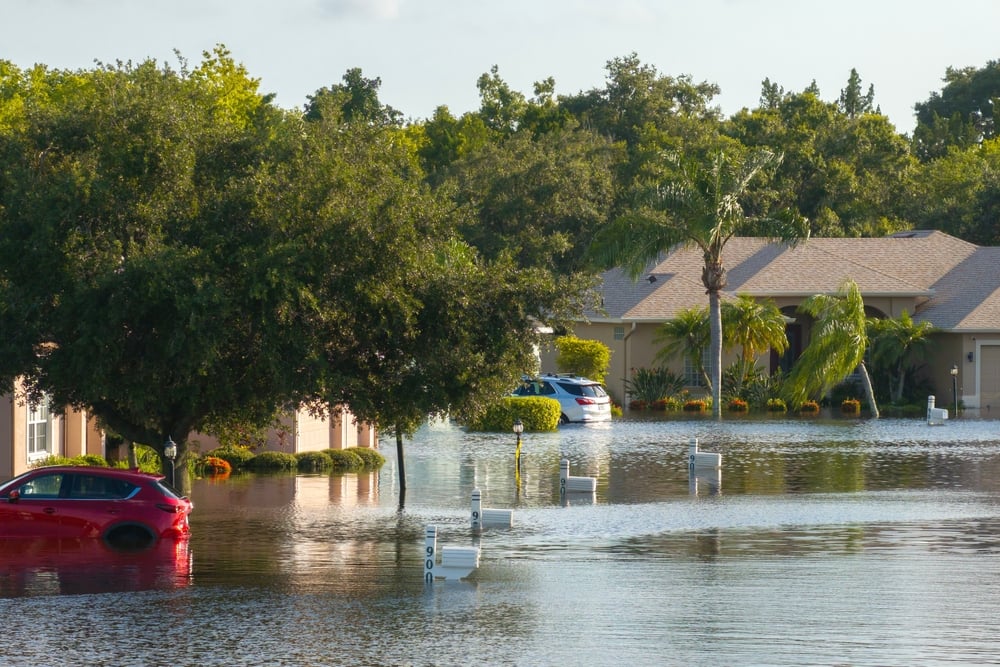
Water damage is a common consequence of heavy rainfall and flooding. It can seep into basements and crawl spaces, damaging walls, insulation, and personal belongings. Water can also lead to mold growth, which poses health risks and can be expensive to remediate. Identifying the source of water intrusion is crucial for effective restoration and prevention of future damage.
Hail Damage
Hailstorms can create significant damage, especially to roofs and vehicles. Hailstones can dent metal surfaces, crack shingles, and break windows, leading to expensive repairs. Homeowners should inspect their roofs and siding for signs of hail damage immediately following a storm to determine if professional assessment and repairs are necessary.
Debris Impact Damage
During storms, flying debris can cause severe impact damage to buildings and vehicles. This may include branches, signs, or even pieces of other structures. Assessing for debris impact is crucial, as it can compromise the structural integrity of a building and pose risks to occupants. Homeowners should take inventory of any debris and its potential impact on their property.
Common Problems Associated with Storm Damage
Structural Issues
Storms can lead to various structural problems, including compromised foundations, walls, and roofs. Water intrusion can weaken these structures over time, while strong winds may cause immediate damage. Homeowners should be vigilant in checking for sagging roofs, cracks in walls, and shifting foundations, as these could indicate severe underlying issues.
Roofing Complications
Roofing is particularly susceptible to storm damage. Missing or damaged shingles, leaks, and structural compromises can result from heavy winds and hail. A compromised roof can lead to further water damage within the home, making prompt inspections and repairs essential. Regular maintenance, including clearing debris from gutters and inspecting shingles for wear, can help mitigate roofing issues.
Foundation Problems
Foundation issues can arise from flooding and water damage. Standing water can erode soil and weaken structural support, leading to cracks and settling. Homeowners should monitor for signs of foundation problems, such as doors sticking or misaligned windows, and address any water drainage issues to protect their foundation from storm-related damage.
Electrical and Plumbing Concerns
Storms can disrupt electrical systems and plumbing infrastructures, leading to safety hazards such as electrical shocks or leaks. Water intrusion can damage wiring and appliances, while flooding can result in sewage backup. Homeowners should ensure their electrical systems are inspected by a professional after a storm and consider installing sump pumps or backflow valves to mitigate plumbing issues.
Assessing Storm Damage
Initial Inspection
Conducting an initial inspection after a storm is critical to identify visible damage. Homeowners should start from the exterior, checking roofs, siding, windows, and doors before moving indoors. Safety is the priority; if there are hazards such as downed power lines or unstable structures, contacting local authorities for assistance is advisable.
Documenting Damage for Insurance
Thorough documentation of storm damage is essential for insurance claims. Homeowners should take photographs of all affected areas and create a detailed inventory of damaged items. This documentation can significantly aid in the claims process and ensure adequate compensation for repairs and replacements.
Determining Severity and Urgency
After assessing visible damage, homeowners should determine the severity and urgency of repairs. Prioritizing urgent issues, such as roof leaks or compromised structures, can prevent further damage and reduce repair costs. It may be beneficial to consult with professionals for an expert assessment of hidden damages that may not be immediately visible.
Professional Restoration Solutions
The Role of Storm Damage Restoration Companies
Storm damage restoration companies specialize in repairing and restoring properties affected by severe weather. These professionals are trained to identify damage, mitigate further issues, and restore homes to their pre-storm condition. Their expertise extends to water removal, structural repairs, and addressing mold growth, ensuring a comprehensive restoration process.
Storm damage restoration companies play a crucial role in restoring properties damaged by severe weather events. Homeowners can benefit from their expertise in identifying, mitigating, and repairing storm-related damages. These professionals specialize in water removal, structural repairs, and addressing potential mold growth to ensure a thorough restoration process. Engaging with storm damage restoration companies can help homeowners navigate the complexities of post-storm repairs effectively. By prioritizing urgent issues and seeking professional assistance, homeowners can minimize further damage and expedite the restoration process.
Restoration Process Overview
The restoration process typically begins with an assessment of the property to determine the extent of the damage. Following this, restoration specialists will develop a plan that includes water extraction, drying, cleaning, sanitization, and repairs. Each step is crucial to ensure the home is safe and habitable post-storm.
Water Removal and Drying
Water removal is often the first step in the restoration process. This can involve using pumps and vacuums to extract standing water, followed by industrial fans and dehumidifiers to dry affected areas. Proper drying is vital to prevent mold growth and further structural damage, making this step critical in the restoration timeline.
Structural Repairs
Once the property is dry, structural repairs can commence. This may involve replacing damaged roofing, siding, or drywall. Restoring structural integrity is essential to ensure the safety of the home and prevent future issues. Professionals will use quality materials and follow building codes to ensure repairs are effective and long-lasting.
Cleaning and Sanitization
Cleaning and sanitizing are crucial parts of the restoration process, especially after water damage. Floodwaters can introduce contaminants, making thorough cleaning essential for safety and health. Restoration companies utilize specialized cleaning solutions and techniques to remove mold, bacteria, and odors, ensuring a safe living environment.
Final Inspection and Follow-Up
After completing repairs, a final inspection ensures all work meets quality standards and that the property is safe for occupancy. Follow-up visits may also be necessary to address any lingering concerns or monitor for issues such as mold growth. Effective communication with restoration professionals is key to a successful outcome.
Preventative Measures to Mitigate Storm Damage
Preparing Your Property for Storms
Proactive measures can significantly reduce the risk of storm damage. Ensuring that your property is well-maintained, with clear gutters and secure roofing, can help withstand intense weather. Homeowners should also consider installing storm shutters or protective screens for windows and doors to reduce the risk of wind and debris damage.
Regular property inspections are essential to identify and address any potential issues before they escalate. Additionally, establishing an emergency plan with clear steps to follow in the event of a storm can help protect lives and property. Properly storing outdoor furniture and securing loose items can prevent them from becoming hazardous projectiles during high winds. It is also advisable to have emergency supplies readily available, such as non-perishable food, water, flashlights, and first aid kits. By taking these preventative measures, homeowners can minimize storm damage and better protect their property.
Regular Maintenance Tips
Regular maintenance is essential to keep properties in good condition. Routine inspections of roofing, siding, and drainage systems can identify potential issues before they escalate. Additionally, trimming trees and removing dead branches can prevent debris damage during storms. Establishing a seasonal maintenance checklist can help homeowners stay on top of necessary tasks.
Investing in Proper Insulation and Sealing
Proper insulation and sealing can help prevent water intrusion and reduce energy costs. Ensuring that basements are waterproofed and that windows and doors are properly sealed can mitigate the risks associated with storms. Investing in high-quality materials for insulation can aid in energy efficiency while protecting against moisture damage.
Conclusion
Importance of Professional Help
In conclusion, understanding storm damage and its potential impacts is crucial for all property owners. Professional restoration services play an essential role in effectively addressing and repairing storm-related issues. Relying on experts not only aids in proper restoration but also provides peace of mind in knowing that your property is in capable hands.
Creating a seasonal maintenance checklist is vital for homeowners to manage essential tasks. Adequate insulation and sealing can help prevent water intrusion and lower energy expenses. Waterproofing basements and properly sealing windows and doors can reduce storm-related risks. Quality insulation materials enhance energy efficiency and safeguard against moisture damage. Hiring professional restoration services is crucial for effectively handling storm-related issues and ensuring property restoration is done properly.
Final Thoughts on Storm Damage Awareness
Being aware of the types of storm damage, common problems, and effective restoration solutions can empower homeowners to take proactive steps in safeguarding their properties. By investing in regular maintenance and preparing for severe weather, individuals can minimize risks and protect their homes from the devastating effects of storms.
With proper awareness and preventative measures, homeowners can mitigate storm damage risks and ensure the longevity of their properties. Regular maintenance and preparation are key aspects of protecting homes from the potential devastation caused by severe weather conditions. By investing in high-quality materials and professional services, individuals can fortify their properties against storm-related issues. Proactive steps, such as insulation upgrades and moisture damage prevention, can significantly improve energy efficiency and property resilience. It is essential for property owners to prioritize storm damage awareness and take proactive steps to safeguard their investments for the long term. Call Apex Restoration DKI for further information to get you through the storm!